N26 vs Revolut Review
Best For
EU banking & salary (N26) — or travel, FX & crypto (Revolut)
We've banked with both for years. N26 is the better everyday EU bank account (salary, IBAN, deposit protection); Revolut wins for travel, multi-currency, and crypto.
Pros
- N26: full German banking licence + €100k deposit protection
- N26: no foreign-transaction fee on card payments, any currency
- Revolut: best-in-class multi-currency, travel and crypto features
- Revolut: available far beyond the EU (UK, US, APAC)
Cons
- N26 is EU/EEA-only (no UK or US)
- Revolut weekend FX markup + fair-usage caps on the free plan
- Both now offer crypto & investing, so it's no longer a clean differentiator
Disclosure: We earn affiliate commissions on some products linked here. This never affects our rankings.
Affiliate link — we may earn a commission at no extra cost to you.
Short answer: if you want a real bank account for your everyday life in Europe — salary, direct debits, a German IBAN, and deposit protection — N26 is the better fit. If you travel often, juggle several currencies, or want crypto in the same app, Revolut is hard to beat. We bank with both, and below is exactly how they compare in 2026.
We're digital nomads and have held N26 and Revolut accounts for years — N26 as our main day-to-day account, Revolut for travel money, multi-currency, and crypto. Figures below were verified against each provider in June 2026; fees vary by country and change often, so always confirm the current terms for your region before signing up.
At a Glance
| N26 | Revolut | |
|---|---|---|
| Type | Full bank (EU banking licence) | Bank in EEA; e-money elsewhere |
| Free plan | Yes (Standard) | Yes (Standard) |
| Paid plans | Smart €4.90 · Go €9.90 · Metal €16.90 /mo | Plus / Premium / Metal / Ultra (see current pricing) |
| Card network | Mastercard | Visa or Mastercard |
| Free ATM (eurozone, free plan) | 2 / month, then €2 | Up to €200 or 5 withdrawals / month, then 2% (min ~€1) |
| Foreign card payments | No fee, any currency | Interbank weekdays; weekend markup |
| Free FX (free plan) | Mastercard rate, no markup | ~€1,000 / month, then ~1% |
| Crypto | Yes (N26 Crypto, via Bitpanda) | Yes (in-house, 280+ tokens) |
| Stocks / ETFs | Yes (N26 Invest) | Yes (4,000+ instruments) |
| Deposit protection | €100,000 (German scheme) | €100,000 (EEA, Lithuanian scheme) / £85,000 FSCS (UK) |
| Availability | EU/EEA (~24 countries) | EEA, UK, US, Switzerland, Japan, Singapore, Australia + more |
Which should you pick?
- Best for everyday EU banking & salary → N26. A full banking licence, German IBAN, overdraft (in supported countries), and €100k deposit protection make it a genuine main account.
- Best for travel, multi-currency & FX → Revolut. Hold and exchange dozens of currencies at near-interbank rates, with the best in-app travel features.
- Best for crypto → Revolut. Both apps now offer crypto, but Revolut's is in-house with 280+ tokens and tighter integration. N26 added crypto too (powered by Bitpanda), so the gap is smaller than it used to be.
Want the wider shortlist? See our guide to the best cards for travellers, or the full Revolut review and N26 review.
Fees & limits (the part that actually matters)
N26. The Standard account is free and includes two free eurozone ATM withdrawals a month (then €2 each). Smart (€4.90/mo) bumps that to three, and Metal (€16.90/mo) to eight. Crucially, card payments abroad in any currency carry no foreign-transaction fee at the Mastercard rate — excellent for travel. The catch: on Standard and Smart, withdrawing cash at a foreign (non-euro) ATM costs 1.7%; the Go and Metal tiers waive that.
Revolut. The Standard plan is free. You get fee-free ATM withdrawals up to €200 (or 5 withdrawals), whichever comes first, per month — after that it's 2% (minimum ~€1). Currency exchange is free up to about €1,000 per month; beyond that you pay roughly 0.5–1%, and a weekend markup applies on all plans. Paid tiers (Plus, Premium, Metal, Ultra) raise these limits and add perks like travel insurance and higher savings rates — check Revolut's current pricing for your country, as the monthly fees vary.
The honest take: for card spending abroad, N26's "no foreign-transaction fee, any currency" is simpler. For holding and converting multiple currencies (and avoiding ATM dependence), Revolut's multi-currency wallet wins — just mind the weekend markup and the monthly free-FX cap.
Cards & travel
Both give you a European IBAN, Apple Pay and Google Pay, virtual cards, instant freeze/unfreeze, and slick budgeting tools (N26 Spaces, Revolut Vaults). Revolut leans harder into travel: multi-currency balances, fee-free exchange (within limits), and insurance perks on higher tiers. N26's edge is that it behaves like a normal bank — your salary can land in it, and it's covered by the German deposit-guarantee scheme up to €100,000.
Crypto & investing
This used to be a clean win for Revolut, but it's narrowed. Both apps now offer crypto and stock investing. Revolut's crypto is in-house, covering 280+ tokens, and it pairs with 4,000+ stocks and ETFs in the same app. N26 added N26 Crypto (powered by Bitpanda, 400+ coins) and N26 Invest for stocks and ETFs. Revolut still feels more like a trading app — more instruments, tighter integration — but you can no longer say N26 "doesn't do crypto." With either, you can't spend crypto directly on the card; you convert to fiat and spend that. (Crypto is volatile and high-risk — only invest what you can afford to lose.)
Safety & deposit protection
N26 has held a full German banking licence since 2016, and deposits are protected up to €100,000 under the German scheme. Revolut operates as a licensed bank in supported EEA countries (deposits protected up to €100,000 via the Lithuanian scheme) and as an e-money institution elsewhere — where your money is safeguarded rather than deposit-insured. Both offer biometric login, 3-D Secure, instant card controls, and real-time notifications. As always, we don't park large balances in any neobank.
Availability
N26 is EU/EEA-only — it exited the UK and US markets and serves around 24 European countries. Revolut is far more global, covering the EEA, UK, US, Switzerland, Japan, Singapore, Australia and more. If you're outside the EU, Revolut is likely your only choice of the two.
Our verdict: N26 or Revolut?
Honestly? We use both, and you can't really go wrong. But if we had to split it:
- Choose N26 as your main everyday account — salary, bills, a proper banking licence and deposit protection, plus genuinely fee-free card spending abroad.
- Choose Revolut as your travel and multi-currency companion — the FX, the features, and crypto in one app.
For most travellers and nomads, the winning move is to hold both: N26 for stable EU banking, Revolut for the road.
Frequently Asked Questions
Is N26 or Revolut better for travelling?
Revolut, in most cases — its multi-currency wallet and near-interbank exchange are built for travel, as long as you stay within the free-FX cap and avoid weekend conversions. N26 is still great abroad thanks to no foreign-transaction fees on card payments, but it can't hold multiple currencies.
Which is safer, N26 or Revolut?
Both are safe to use day to day. N26 has a full German banking licence with €100,000 deposit protection. Revolut is a licensed bank (with €100,000 protection) in supported EEA countries and an e-money institution elsewhere, where funds are safeguarded rather than deposit-insured.
Does N26 support crypto?
Yes — N26 now offers N26 Crypto (powered by Bitpanda, 400+ coins) and N26 Invest for stocks and ETFs. Revolut's crypto is in-house and pairs with a broader trading offering, so it's still the stronger pick for active crypto users, but N26 is no longer crypto-free.
Can I use N26 or Revolut outside the EU?
N26 is EU-only. Revolut is available in the EEA, UK, US, Switzerland, Japan, Singapore, Australia and several other markets — so outside the EU, Revolut is usually the choice.
Should I get both?
For frequent travellers and digital nomads, yes — N26 as a stable everyday EU account and Revolut for travel money, multi-currency and crypto is a common, low-cost setup.
Maja & Leo
Reviewed by practitioners who actually use these products.
Related
Curve Review
One card that combines all your other cards. Now rebranded 'Curve Pay', it's a handy travel and spending wallet in the UK and EEA — but it's not a bank, and the US version was shut down in 2024.
Best for: A genuinely useful card-combining wallet — just remember it's not a bank

Nuri Bank Review
Nuri shut down in 2022. This guide explains what happened and ranks the best crypto-friendly account and card alternatives that are alive and well in 2026.
Best for: Nuri is gone — Revolut is the best all-round replacement
Revolut
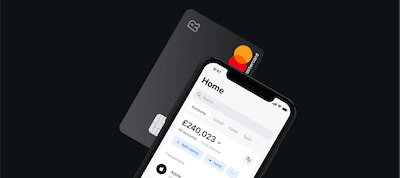
The fintech super-app: multi-currency banking, near-interbank FX, crypto and stock trading in one place. Best for travel and multi-currency, and now a fully licensed bank in the EEA and UK.
Best for: The most feature-packed money app for travel and multi-currency
Related Posts
Best Crypto Airdrops 2023
This article is about rumors and speculations about some of the most profitable Crypto Airdrops 2022. Airdrops are a great way to get started to build an initial capital in Cryptos or also to get some free money.
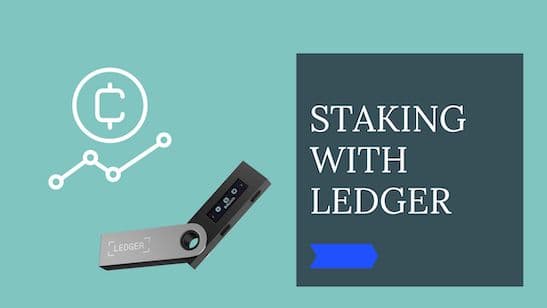
Cold Staking - How to stake with Ledger Hardware Wallet
Step-by-step guide to staking crypto in Ledger Live. Earn passive rewards on proof-of-stake coins while keeping your assets in cold storage.
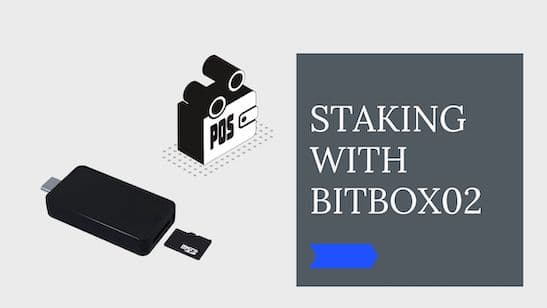
Cold Staking - How to stake your crypto coins with BitBox02 Hardware Wallet
Learn how to stake your crypto coins with the BitBox02 Hardware Wallet. Staking is a process which rewards holders of Proof-of-Stake (PoS) coins for keeping their wallets open and connected to the network. Find out more in this article.
Get notified when we update this review
No spam. Just a heads-up when something changes.
No spam. Unsubscribe anytime.