How to Buy Crypto without an Exchange: The Best Alternative Methods for Your Digital Investments
Buy crypto without an exchange — OTC desks, P2P, Bitcoin ATMs, and DEXs compared. Safe ways to purchase Bitcoin privately, step by step.
Enjoying this article?
Get more like it every week — methods, tools, and lessons from building in Cambodia.
No spam. Unsubscribe anytime.
You can buy crypto without a centralized exchange using decentralized exchanges (DEXs), peer-to-peer marketplaces, Bitcoin ATMs, OTC desks, crypto gift cards, or by accepting crypto directly as payment. Each method trades off privacy, convenience, fees, and counterparty risk differently — below we break down all of them so you can pick what fits.
The FTX collapse and other events tied to the questionable behaviour of some exchanges sparked a wave of interest in alternative ways to buy and sell cryptocurrencies. This guide covers those alternatives, including self-custody solutions that go beyond traditional exchanges.
Whether a newbie or an experienced investor, this quick guide will equip you with the knowledge and potential ideas for alternative crypto-buying methods.
Is there a Future Without Centralized Crypto Exchanges?
Centralized exchanges (CEXs) have long been the go-to platforms for buying and selling cryptocurrencies. However, the industry is witnessing a surge in decentralized options and self-custody solutions.
While CEXs offer a straightforward entry into the crypto market, there is growing speculation about their future. Even Changpeng Zhao (CZ) — Binance's founder and former CEO, who stepped down in late 2023 — has suggested that centralized exchanges might eventually become obsolete.
So let's explore the possibilities if his words become a reality.
Buying Crypto Without Centralized Exchanges: Exploring Alternative Methods
Decentralized Exchanges (DEX)
Decentralized cryptocurrency exchanges (DEXs) operate on blockchain technology, removing intermediaries and giving you complete control over your funds. With DEXs, you can perform atomic swaps, directly exchanging cryptocurrencies between different blockchain networks without intermediaries.
You can take advantages like greater control, enhanced privacy, non-custodial ownership, and global accessibility. However, of course, challenges include varying liquidity, user experience considerations, and potential price slippage.
Some of the most known decentralized platforms are Uniswap SushiSwap, PancakeSwap, where you can trade cryptocurrencies with freedom, security, and control. DEXs offer a solid opportunity to be part of the evolving crypto landscape.
Also check out APEX Exchange** **- The official DEX of ByBit. They have all the advanced trading tools like limit orders, stop loss, and even leverage for long and short positions. You can control your own funds as you can directly trade from your MetaMask Wallet. There is no KYC and you can trade from anywhere in the world.
Peer-to-Peer (P2P) Exchanges
Peer-to-Peer (P2P) trading platforms open up a world of direct interaction between cryptocurrency buyers and sellers, eliminating the need for centralized exchanges.
Well-known P2P platforms include Hodl Hodl, Bisq, Peach and RoboSats (note that LocalBitcoins — long the biggest P2P platform — shut down in February 2023, so older guides pointing you there are out of date). With P2P trading, you engage with buyers or sellers directly, negotiate prices, and execute transactions through an escrow that protects both sides. Always use a platform's built-in escrow and never release funds before the trade fully completes.
Bitcoin ATMs
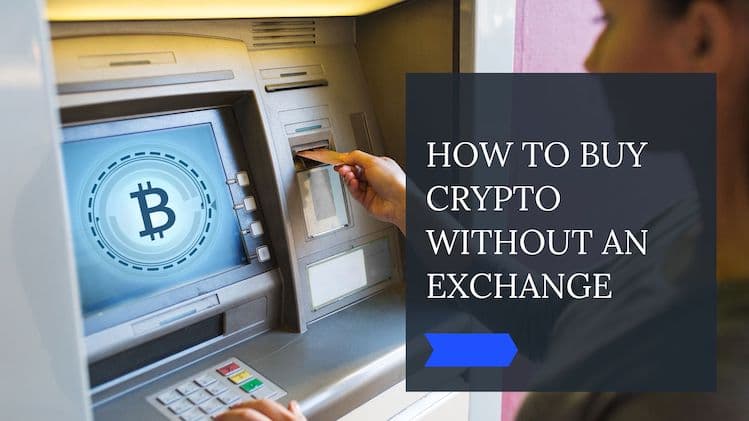
Bitcoin ATMs also offer a hassle-free and convenient solution for purchasing cryptocurrencies using fiat currency or a debit card. Like traditional ATMs, these machines allow you to instantly insert cash or swipe your credit cards to acquire digital currency.
Bitcoin ATMs are commonly found in public spaces such as shopping malls and airports and are easily accessible to users. They usually have a user-friendly interface to ensure an easy buying process and eliminate the need for lengthy registration procedures.
You can check the locations of Bitcoin ATMs around the world on the link here.
Over-the-Counter (OTC) Trading
Over-the-Counter (OTC) trading is a method that enables direct transactions between buyers and sellers facilitated by brokers or specialized OTC desks.
It is popular for large-volume trades, offering enhanced privacy and personalized service. OTC trading caters to institutional investors and individuals seeking to buy or sell significant cryptocurrency outside traditional exchanges.
You benefit from increased privacy as transactions occur directly between parties, bypassing public order books. The personalized service provided by brokers or OTC desks ensures tailored solutions for executing large trades. It enables Institutional investors to navigate the market more effectively, minimizing disruptions and slippage.
Although OTC trading may involve additional fees or minimum trade sizes, the benefits and services provided by OTC desks justify these costs.
Crypto Gift Cards
Crypto gift cards have emerged as a convenient and beginner-friendly method to enter the world of cryptocurrencies. With these gift cards, you can easily acquire digital assets without the complexities typically associated with traditional crypto exchanges. Whether purchased online or from selected retailers, like Paxful, crypto gift cards offer a simple and accessible entry point for new investors.
These gift cards support popular cryptocurrencies like Bitcoin, Ethereum, or Litecoin. Once you have a crypto gift card in hand, you can redeem it quickly where accepted.
Token Airdrops
Token airdrops present an opportunity to receive cryptocurrencies at no cost. As part of their promotion, blockchain projects distribute tokens for free to interested individuals. Participating in a token airdrop is usually as simple as completing specific tasks, such as joining a Telegram group or following the project on social media platforms, to some more complex ones. This h allows you to receive free tokens as a reward without making any financial investments.
Airdrops can provide access to well-established cryptocurrencies and promising emerging projects, allowing you to diversify your crypto portfolio without spending a dime and stay connected with the crypto community and on top of new projects.
Direct Transactions
The direct transaction is a method of acquiring cryptocurrencies directly from individuals or businesses who accept them as payment. This allows you to connect with sellers willing to accept your preferred form of payment, whether it's cash, bank transfer, or goods and services.
To do direct transactions, you should engage with the crypto community on social media platforms, explore online marketplaces and forums to discover immediate buying opportunities, and negotiate prices and terms directly with sellers.
Crypto Mining (PoW)
Cryptocurrency mining involves the computational effort of validating transactions on the blockchain network. It is a metaphorical process of bringing new bitcoins into circulation. As a miner, you are not buying the crypto but you use your computational power to solve mathematical problems and earn Bitcoin rewards.
Mining also verifies transactions and prevents the double-spending problem. Initially, mining could be done with a regular home computer. But now, it requires specialized hardware such as high-end GPUs or ASICs. Mining contributes to network security and ensures the validity of transactions in the decentralized system.
Mining requires specialized hardware and technical expertise, so it's not the most optimal for beginners. Mining profitability can vary depending on factors such as the cryptocurrency being mined, the market conditions, and the cost of electricity. So you should check all the factors before going into it.
Crowdfunding and Initial Coin Offerings (ICOs)
Crowdfunding and Initial Coin Offerings (ICOs) open doors to early-stage blockchain projects, offering you a chance to be part of the journey. These platforms allow direct token purchases from project creators, presenting an investment opportunity.
However, since these projects are at the very beginning of existence, it's crucial to approach each project cautiously and conduct thorough due diligence to mitigate risks and verify its legitimacy.
The Future of Centralized Exchanges
The future of centralized crypto exchanges is a topic of ongoing debate and speculation within the cryptocurrency community. While CEX continues to serve as an important hub for trading and liquidity, the rise of decentralized alternatives and advancements in blockchain technology has raised questions about their long-term relevance.
On the one hand, proponents argue that CEX provides crucial benefits such as easy accessibility, robust liquidity, and advanced trading features. Experts believe that these platforms will remain a vital part of the crypto ecosystem, especially for mainstream adoption and the integration of traditional financial systems.
On the other hand, critics highlight the potential risks associated with centralized exchanges, including security vulnerabilities, privacy concerns, and reliance on a centralized authority. They envision a future where DEXs and peer-to-peer trading platforms gain prominence, offering greater control, privacy, and security through the use of smart contracts and blockchain technology.
Final Thoughts
Buying cryptocurrencies without using an exchange is entirely possible, thanks to the variety of alternative methods available.
Regardless of your alternative, it's always important to be cautious, conduct thorough research, and prioritize security in crypto-related transactions.
If you want to learn more about how to start with cryptocurrencies or improve your crypto game weirdo.rocks team has you covered!
We created a free email course to help you learn everything from what cryptocurrency is, what to consider when investing, where to buy your first digital assets, how to store them securely, and much more.
⬇️ ⬇️ You can enroll here and start your journey into the exciting world of blockchain today ⬇️ ⬇️
How to Start with Cryptocurrencies
Frequently Asked Questions
Can you really buy crypto without an exchange?
Yes. Decentralized exchanges (DEXs), peer-to-peer marketplaces, Bitcoin ATMs, OTC desks, and crypto gift cards all let you acquire crypto without a traditional centralized exchange account. You can even accept crypto directly as payment for goods or services.
What's the most private way to buy Bitcoin?
Peer-to-peer platforms with escrow (such as Hodl Hodl, Bisq or RoboSats) and some Bitcoin ATMs offer more privacy than a KYC exchange. Privacy varies by platform and jurisdiction, and larger amounts increasingly require ID — always follow the rules where you live.
Is buying crypto without an exchange safe?
It can be, if you use reputable tools and self-custody. The main risks are scams in peer-to-peer trades (always use built-in escrow), higher fees on ATMs and OTC desks, and price slippage on DEXs. Never send funds first in a P2P deal, and double-check every address and URL.
Are Bitcoin ATMs a good option?
They're fast and beginner-friendly but usually charge high fees (often well above online options). They're best for small, convenient purchases rather than large amounts. Find one near you via CoinATMRadar.
Related Course
Cryptocurrency for Beginners
Go from zero to crypto-confident in one weekend
Take the course →More Web3 & Crypto
Best Crypto Airdrops 2023
This article is about rumors and speculations about some of the most profitable Crypto Airdrops 2022. Airdrops are a great way to get started to build an initial capital in Cryptos or also to get some free money.
Cold Staking - How to stake with Ledger Hardware Wallet
Step-by-step guide to staking crypto in Ledger Live. Earn passive rewards on proof-of-stake coins while keeping your assets in cold storage.
Cold Staking - How to stake your crypto coins with BitBox02 Hardware Wallet
Learn how to stake your crypto coins with the BitBox02 Hardware Wallet. Staking is a process which rewards holders of Proof-of-Stake (PoS) coins for keeping their wallets open and connected to the network. Find out more in this article.